

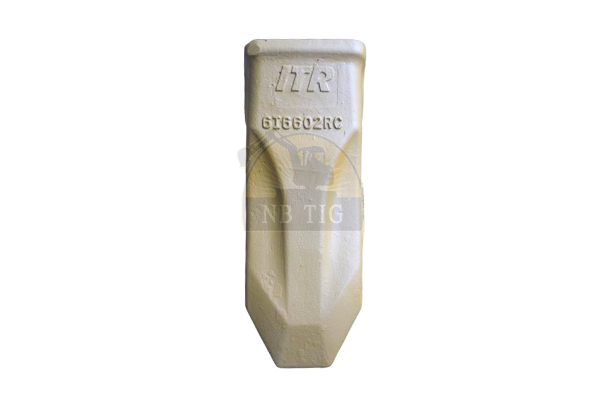
Understanding cutting edges compatibility with machine mounting systems is essential for improving performance, reducing wear, and ensuring safe, efficient operation in earthmoving, construction, mining, and material handling applications. The correct match between a cutting edge and the machine mounting system affects penetration, breakout force, cutting accuracy, operator comfort, service life, and overall productivity. This makes compatibility a core topic for equipment owners, fleet managers, maintenance teams, OEM buyers, and aftermarket parts specialists. In modern heavy equipment, cutting edges are not just wear parts. They are engineered components that interact with bucket lips, blade moldboards, grader circles, dozer blades, loader buckets, and other ground-engaging assemblies. A poorly matched cutting edge can create uneven wear, bolt loosening, poor material flow, reduced fuel efficiency, and premature component failure. By contrast, a properly matched cutting edge and mounting system can improve machine uptime, protect base structures, and support consistent digging or grading performance. Cutting edge compatibility with machine mounting systems refers to the ability of a cutting edge to fit, attach, and function correctly on a specific machine mounting structure. This includes the physical dimensions, bolt pattern, edge thickness, material grade, curvature, hole spacing, countersink requirements, fastening method, and wear profile. Compatibility also includes the ability of the edge to handle operating loads without deformation, cracking, excessive loosening, or interference with other parts. In simple terms, the cutting edge must align with the machine’s mounting points and structural design. When compatibility is correct, the edge sits flush, transfers load properly, and wears evenly. When compatibility is poor, the result may include unsafe installation, reduced performance, or premature replacement. Because of this, compatibility should be evaluated before installation, ordering, and maintenance scheduling. The importance of compatibility extends beyond simple fitment. It directly influences machine productivity, operating costs, and safety. Below are the primary reasons why matching cutting edges to mounting systems is critical. Different equipment types use different mounting systems, and each system has its own compatibility requirements. The most common mounting configurations include bolt-on systems, weld-on systems, segmented systems, reversible edges, and specialty wear packages. Understanding these systems helps determine the right cutting edge dimensions and fastening approach. To ensure correct cutting edges compatibility with machine mounting systems, several technical factors must be checked. These factors determine whether the edge will install correctly and perform as intended under load. The cutting edge must match the length, width, thickness, curvature, and hole spacing required by the mounting system. Even small dimensional mismatches can create installation problems, hardware stress, or uneven wear. Measuring the mounting surface and comparing it to the edge specification is one of the first steps in compatibility verification. For bolt-on systems, the bolt pattern is one of the most critical factors. Hole count, spacing, diameter, and countersink design must match the mounting plate or lip exactly. Misaligned bolt holes can prevent installation or create stress concentration points that lead to loosening and faTIGue failure. Cutting edges are manufactured from different wear-resistant steels depending on the application. High-abrasion environments may require stronger, harder materials, while impact-heavy applications may require more toughness and flexibility. The selected material must be compatible with the machine’s operating conditions and mounting design. The profile of the cutting edge affects penetration, scraping efficiency, and material flow. Straight edges, serrated edges, beveled edges, and curved edges all behave differently. The profile must suit the machine’s purpose and the mounting system’s geometry. Compatibility includes how well the edge distributes force into the machine structure. A well-matched edge spreads impact and wear across the mounting points. A poorly matched one may overload the center, ends, or bolt locations, causing damage to the bucket lip or blade structure. Bolt-on, weld-on, and hybrid systems each require different installation practices. The fastening method must be appropriate for the machine, service interval, and operating severity. Compatibility includes not only whether the edge fits, but whether it can be secured reliably during use. When the cutting edge is compatible with the mounting system, the equipment benefits from improved performance and lower lifecycle cost. These benefits are often visible in daily operation and maintenance planning. Incompatible cutting edges often create predictable problems. Identifying these issues early helps reduce damage and prevent unplanned downtime. A structured compatibility check is important before purchase or installation. The following procedure helps verify that the edge and mounting system are aligned technically and operationally. The table below summarizes typical specification fields used when evaluating cutting edges compatibility with machine mounting systems. These values may vary by equipment category, working condition, and design standard. Cutting edge compatibility is relevant across multiple industries. While the machine type may change, the need for a correct mounting match remains the same. Following best practices helps maintain consistent performance and reduce unnecessary wear. These guidelines are useful for both planned replacement and retrofit projects. The correct cutting edge depends on how the machine is used. Compatibility is not just mechanical; it is also operational. For search visibility, content about cutting edges compatibility with machine mounting systems should naturally include related terms such as cutting edge fitment, machine mounting system, bolt-on cutting edge, weld-on cutting edge, wear part compatibility, bucket lip mounting, grader blade edge, earthmoving wear components, heavy equipment cutting edges, and ground engaging tools. These phrases help search engines understand the topic and connect the page with relevant user queries. Strong SEO content for this topic should also answer practical questions such as: How do I know if a cutting edge fits my machine? What mounting system does my bucket or blade use? What dimensions matter most for compatibility? How does edge material affect performance? What causes cutting edge failure? By covering these questions in a clear, structured format, the page becomes more useful to readers and more attractive to search engines. Cutting edges compatibility with machine mounting systems is a foundational factor in equipment performance, wear management, and operational safety. Whether the application involves construction, mining, grading, loading, or material handling, the cutting edge must match the machine’s mounting structure, load requirements, and service conditions. Proper fitment improves penetration, reduces wear, supports secure fastening, and helps control maintenance costs. For any operation that depends on reliable ground engaging tools, compatibility should be treated as a technical priority. Accurate measurements, careful specification review, and correct mounting practices all contribute to longer service life and better machine results. By focusing on cutting edge compatibility from the beginning, businesses can improve productivity and avoid costly installation mistakes. cutting edges Compatibility with Machine Mounting Systems
What Is Cutting Edge Compatibility with Machine Mounting Systems?
Why Cutting Edge Compatibility Matters
Common Machine Mounting Systems for Cutting Edges
Mounting System Type Typical Equipment Main Characteristics Compatibility Considerations Bolt-on cutting edge Loader buckets, dozer blades, grader blades, scraper blades Mechanical fastening using bolts, nuts, and washers Bolt hole pattern, edge thickness, countersink style, torque requirements Weld-on cutting edge Bucket lips, custom buckets, specialty attachments Permanent attachment using welding Base metal preparation, weldability, heat impact, lip shape Segmented edge system Large loader buckets, mining equipment, heavy-duty buckets Multiple replaceable sections instead of a single long edge Segment alignment, joint fit, bolt spacing, edge continuity Reversible edge system Grader blades, scraper blades, some bucket applications Edge can be flipped to use both sides Symmetry, wear pattern, thickness balance, hardware placement Specialty wear system Mining shovels, high-impact buckets, abrasive environments Engineered for extreme wear or impact conditions Material grade, impact resistance, profile geometry, custom mounting Key Compatibility Factors
1. Dimensional Fit
2. Bolt Pattern Alignment
3. Material Grade
4. Edge Profile
5. Load Distribution
6. Fastening Method
Benefits of Proper Cutting Edge Compatibility
Benefit Description Operational Impact Better penetration The edge enters material more efficiently Less resistance, improved cycle times Even wear Wear is distributed across the full contact area Longer service life, more predictable replacement intervals Reduced hardware stress Bolts and weld zones are less likely to fail Higher reliability, fewer service interruptions Lower fuel use The machine works more efficiently against the load Reduced operating cost over time Improved operator control The machine responds more consistently during cutting or grading Higher precision and better finished surfaces Common Compatibility Problems
How to Evaluate Cutting Edge Compatibility
Specification Table for Cutting Edge Compatibility
Specification Field What It Means Why It Matters for Compatibility Length Total edge span across the mounting area Must match the blade or bucket width Thickness Material depth of the cutting edge Controls fit, strength, and wear life Hole spacing Distance between bolt holes Must align with mounting holes exactly Hole diameter Size of the fastening openings Determines bolt compatibility and clamp load Countersink angle Angle used for flush fastener seating Affects fastener fit and surface contact Curvature Bending shape of the edge Must follow the mounting contour Material hardness Resistance to wear and deformation Must suit the application environment Impact resistance Ability to absorb shock loads Important for rock, demolition, and heavy loading Mounting style Bolt-on, weld-on, or segmented Must match the machine structure and service method Industry Applications
Best Practices for Matching Cutting Edges to Mounting Systems
Selection Considerations by Operating Condition
Operating Condition Recommended Edge Focus Compatibility Priority High abrasion Wear resistance and hardness Material grade and service life High impact Toughness and shock tolerance Structural strength and crack resistance Fine grading Precision profile and control Smooth fit and consistent edge geometry Mixed material loading Balanced wear and impact performance Versatility and secure mounting Continuous operation Long service intervals Hardware stability and predictable wear SEO Keyword Focus: Cutting Edges Compatibility with Machine Mounting Systems
Frequently Used Terms
Term Meaning Cutting edge The wear part mounted on the working edge of a bucket, blade, or similar attachment Machine mounting system The structure used to attach and secure the cutting edge to equipment Bolt pattern The spacing and arrangement of bolt holes used for fastening Wear life The usable service period before the part requires replacement Base edge The underlying component that supports the cutting edge Ground engaging tool A general term for parts that contact and move material Conclusion
Factory 1:Hanjia village , Baidu industrial zone , Fenghua Area ,Ningbo City,315145 Zhejiang Province ,China
Factory 2:No.2 Chongfeng Rd , Sihong Town,Suqian city 223900 ,Jiangsu Province ,China
Sales Office:Rm1803, Changjiang international Building ,Beilun Area ,Ningbo city 315806, Zhejiang ,Province
Email:tig@tigerlevel.com/sales@tigerlevelmachinery.com
QQ:253460009 604212604
SKYPE:maggiexinfeng
Tel:+86-15857482399 +86-13586913241
Fax:+86-574-56216643
website:www.tigerlevel.com

Copyright © 2026 Ningbo Tigerlevel Machinery Industrial Co.,Ltd
SitemapThis website uses cookies to ensure you get the best experience on our website.



 Phone
Comment
(0)