

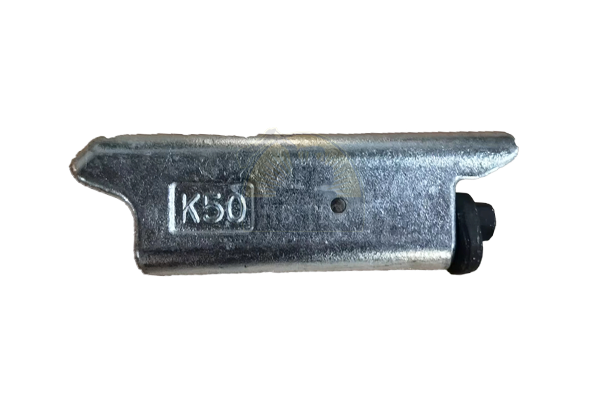
Motor Grader Blades are essential wear parts in Road Construction, mining, land leveling, snow removal, and heavy-duty earthmoving operations. Because these blades are constantly exposed to moisture, soil, salt, chemicals, abrasive material, and weather changes, corrosion prevention is a critical part of extending blade service life and maintaining cutting performance. This guide provides SEO-friendly, original, industry-focused information about motor grader blades corrosion prevention advice, including definitions, benefits, practical maintenance methods, specification tables, and storage tips. It is designed for use in blog posts, directory pages, category pages, and industrial content hubs.
Corrosion does not just affect the appearance of a blade. It can weaken the metal surface, reduce edge precision, increase wear, shorten replacement intervals, and lead to higher operating costs. For fleet managers, equipment owners, maintenance teams, and procurement professionals, understanding how to prevent corrosion on motor grader blades is an important part of asset protection and uptime improvement.
Motor grader blades are replaceable cutting tools mounted on a motor grader to level surfaces, shape roads, cut soil, remove snow, and perform fine grading work. They are usually manufactured from high-strength steel and designed to resist impact, abrasion, and repeated working loads. In many operations, the blade is one of the most frequently replaced wear components on the machine.
Since motor grader blades are used outdoors in harsh environments, they are often exposed to water, rain, snow, de-icing salts, fertilizer residues, mud, wet clay, and corrosive chemicals. Over time, these conditions can cause oxidation, surface pitting, rust formation, and edge degradation. That is why corrosion prevention for motor grader blades is not optional; it is a practical maintenance requirement.
Corrosion prevention helps maintain blade strength, cutting geometry, and durability. A corroded blade can create poor grading results, increase drag, and reduce machine efficiency. In severe cases, corrosion may also affect bolt holes, fasteners, and the blade mounting interface, creating additional maintenance issues.
To develop an effective motor grader blades corrosion prevention plan, it is useful to understand the major causes of rust and surface damage. Most corrosion begins when moisture and oxygen interact with exposed metal surfaces. In industrial environments, the process is accelerated by contaminants and poor storage practices.
| Corrosion Cause | Description | Typical Risk Level |
|---|---|---|
| Moisture exposure | Rain, condensation, snow, and humidity can trigger oxidation on unprotected steel surfaces. | High |
| Salt contact | Road salt, marine air, and de-icing chemicals can accelerate rust and pitting. | Very High |
| Soil and mud buildup | Wet clay, mud, and organic debris hold moisture against the blade surface. | High |
| Poor storage | Storing blades in damp, unventilated areas increases corrosion risk. | High |
| Scratched coatings | Damaged paint or protective layers expose bare metal to the environment. | Medium to High |
| Chemical exposure | Fertilizers, acids, cleaners, and industrial contaminants can attack the blade surface. | Medium to High |
The following corrosion prevention advice is suitable for general industrial use and can be applied to most motor grader blade maintenance programs. These methods focus on cleaning, inspection, protective treatment, storage, and operational discipline.
Cleaning is one of the simplest and most effective ways to prevent corrosion. Dirt, salt, wet clay, and chemical residue should be removed as soon as practical after operation. When contaminants remain on the blade surface, they trap moisture and accelerate rust formation.
Use water, mild detergent if needed, and appropriate tools to remove buildup. Avoid aggressive methods that may scratch the steel surface or remove protective coatings unnecessarily. After washing, dry the blade thoroughly before storage.
Moisture left on a blade after cleaning can cause flash rust, especially in humid climates. A blade that looks clean but remains damp can begin corroding within a short time. Air drying, towel drying, or using compressed air in safe maintenance environments can help reduce this risk.
Protective coatings are a core element of motor grader blades corrosion prevention. Depending on the application, these may include corrosion-inhibiting oils, wax-based protectants, rust-preventive sprays, or industrial surface coatings. The correct product should match the operating environment, storage duration, and maintenance schedule.
For blades kept in storage, a heavier protective film may be appropriate. For blades in active service, lighter coatings that do not interfere with cutting performance may be more suitable. Always follow product instructions and safety requirements.
Regular inspection is essential. Early-stage corrosion is much easier to manage than advanced rust, pitting, or edge deterioration. Check the blade surface, mounting holes, bolt areas, and contact edges for discoloration, flaking, scaling, and rough spots.
If rust is found, treat it promptly. Small corrosion spots can often be cleaned, neutralized, and protected before they spread. Ignoring early rust can shorten blade life and increase repair costs.
Storage plays a major role in corrosion control. Motor grader blades should be kept in a dry, covered, well-ventilated area away from standing water and direct exposure to weather. Avoid placing blades directly on damp concrete floors, which can hold moisture and encourage rust on the underside.
If possible, use pallets, racks, or dedicated storage systems that keep blades elevated and separated from the ground. Indoor storage is usually the best option for long-term protection.
In snow removal, coastal, or industrial environments, blades may encounter salt or corrosive chemicals more frequently. In these applications, rinsing after use becomes even more important. Timely removal of salt residues can significantly reduce rust formation.
Corrosion often begins around bolt holes, fasteners, and mounting surfaces. These areas experience both mechanical stress and environmental exposure. During maintenance, inspect bolts, washers, nuts, and contact surfaces for rust, wear, and seizing.
Replace damaged hardware promptly. Applying suitable anti-seize or protective compounds where recommended can help reduce corrosion in threaded areas.
A written maintenance schedule helps ensure that cleaning, inspection, and coating tasks are completed consistently. Preventive maintenance is especially important for fleets operating in seasonal or high-corrosion environments.
| Maintenance Task | Recommended Frequency | Purpose |
|---|---|---|
| Visual inspection | After each shift or work cycle | Identify early rust, wear, and damage |
| Cleaning and drying | After exposure to mud, salt, or moisture | Remove corrosive residues and prevent flash rust |
| Protective coating application | Weekly, monthly, or before storage | Create a barrier against moisture and oxygen |
| Fastener check | During scheduled service intervals | Prevent rusted or seized hardware |
| Deep rust treatment | As needed | Restore surface condition and stop corrosion spread |
Different operating conditions may require different protection methods. Below is a practical overview of common solutions used in motor grader blades corrosion prevention programs.
| Protection Method | Main Benefit | Best Use Case |
|---|---|---|
| Rust-preventive oil | Creates a thin protective film on metal surfaces | Short-term storage or light protection |
| Wax or barrier coating | Provides longer-lasting surface coverage | Extended storage in humid environments |
| Protective paint or coating system | Helps seal exposed non-working surfaces | Support parts, holders, and exposed steel areas |
| Corrosion inhibitor spray | Easy application for maintenance crews | Routine service and touch-up protection |
| Dry indoor storage | Reduces moisture exposure naturally | Long-term blade inventory management |
Motor grader blades are typically made from high-carbon or alloy steel to balance toughness and abrasion resistance. While these materials perform well under heavy use, they can still corrode if left exposed. The working edge of the blade is designed for wear resistance, but not all blade surfaces have the same level of protection.
In many cases, corrosion protection focuses not only on the cutting edge but also on non-working areas, storage surfaces, and fastener points. The smoother and cleaner the surface, the less likely it is to retain moisture and contaminants.
Recognizing corrosion early helps prevent more serious problems. Common signs include:
If any of these signs appear, the blade should be cleaned, assessed, and treated quickly. In severe cases, replacement may be the most cost-effective option.
A structured corrosion prevention program offers operational and financial benefits across the equipment lifecycle. It supports better performance, reduces downtime, and helps maintenance teams manage wear parts more efficiently.
| Benefit Area | How Corrosion Prevention Helps |
|---|---|
| Operational uptime | Reduces unexpected blade replacement and service interruptions |
| Maintenance Efficiency | Less time spent on rust cleanup and hardware issues |
| Cutting quality | Helps preserve a smooth, accurate blade profile |
| Inventory control | Extends shelf life for spare blades kept in storage |
| Cost management | Reduces premature wear and avoids unnecessary replacements |
| Equipment reliability | Supports stable performance in challenging environments |
Spare blades should be stored with the same care given to installed blades. Inventory that sits for long periods can corrode if not protected properly. Good storage practices help preserve the condition of spare parts until they are needed.
Corrosion risk varies by region and application. A motor grader used in dry inland construction may experience lower corrosion pressure than a machine used for winter road maintenance or coastal infrastructure work. Understanding the environment helps determine the right level of protection.
| Operating Environment | Corrosion Risk | Suggested Protection Level |
|---|---|---|
| Dry inland construction | Low to medium | Routine cleaning and inspection |
| Humid tropical climate | Medium to high | Frequent drying and protective coatings |
| Snow and de-icing applications | Very high | Rinsing, drying, and salt-resistant protection |
| Coastal or marine areas | Very high | Enhanced coatings and strict storage control |
| Mining and quarry operations | Medium to high | Debris removal and regular corrosion checks |
The table below provides general specification-style guidance for corrosion prevention planning. These values are not brand-specific and should be adjusted based on working conditions, OEM guidance, and maintenance policy.
| Specification Item | General Guidance |
|---|---|
| Blade material | High-strength steel or alloy steel commonly used in Heavy Equipment Wear Parts |
| Corrosion protection method | Cleaning, drying, protective coating, and controlled storage |
| Inspection interval | After use and during scheduled maintenance cycles |
| Storage condition | Dry, covered, ventilated, and elevated off the floor |
| Primary corrosion threats | Moisture, salt, chemicals, mud, humidity, and poor storage |
| Protective product type | Rust-preventive oil, coating, inhibitor spray, or wax barrier |
| Maintenance objective | Prevent rust, preserve blade profile, and extend service life |
A simple routine is often more effective than an overly complicated one, especially for busy maintenance operations. The goal is to establish repeatable habits that reduce exposure and make corrosion control part of normal blade care.
For content planning and search visibility, this topic naturally supports the following keyword variations:
The best approach is a combination of cleaning, drying, protective coating, and proper storage. No single method is enough on its own in harsh environments.
Light rust can often be removed through cleaning and surface treatment. However, deep pitting or structural damage may require replacement of the blade.
Yes, a rust-preventive oil or similar protective product can help reduce corrosion during storage, especially in humid or coastal environments.
Blades should be inspected after use and during scheduled maintenance. In high-risk environments, more frequent inspection is recommended.
Yes. Salt is one of the most aggressive corrosion accelerators and should be removed as quickly as possible after exposure.
Effective motor grader blades corrosion prevention advice focuses on practical, repeatable maintenance actions. Cleaning the blade after use, drying it thoroughly, applying suitable protective coatings, storing it in a dry controlled environment, and inspecting it regularly can significantly reduce rust and extend service life. For operations that depend on reliable grading performance, corrosion prevention is a low-cost, high-value maintenance strategy.
Whether blades are used for road construction, winter service, mining, or general earthmoving, corrosion control supports better durability, improved cutting quality, and lower lifecycle costs. By building corrosion prevention into standard maintenance procedures, equipment owners can protect blade value and improve long-term operational performance.

Factory 1:Hanjia village , Baidu industrial zone , Fenghua Area ,Ningbo City,315145 Zhejiang Province ,China
Factory 2:No.2 Chongfeng Rd , Sihong Town,Suqian city 223900 ,Jiangsu Province ,China
Sales Office:Rm1803, Changjiang international Building ,Beilun Area ,Ningbo city 315806, Zhejiang ,Province
Email:tig@tigerlevel.com/sales@tigerlevelmachinery.com
QQ:253460009 604212604
SKYPE:maggiexinfeng
Tel:+86-15857482399 +86-13586913241
Fax:+86-574-56216643
website:www.tigerlevel.com

Copyright © 2026 Ningbo Tigerlevel Machinery Industrial Co.,Ltd
SitemapThis website uses cookies to ensure you get the best experience on our website.



 Phone
Comment
(0)